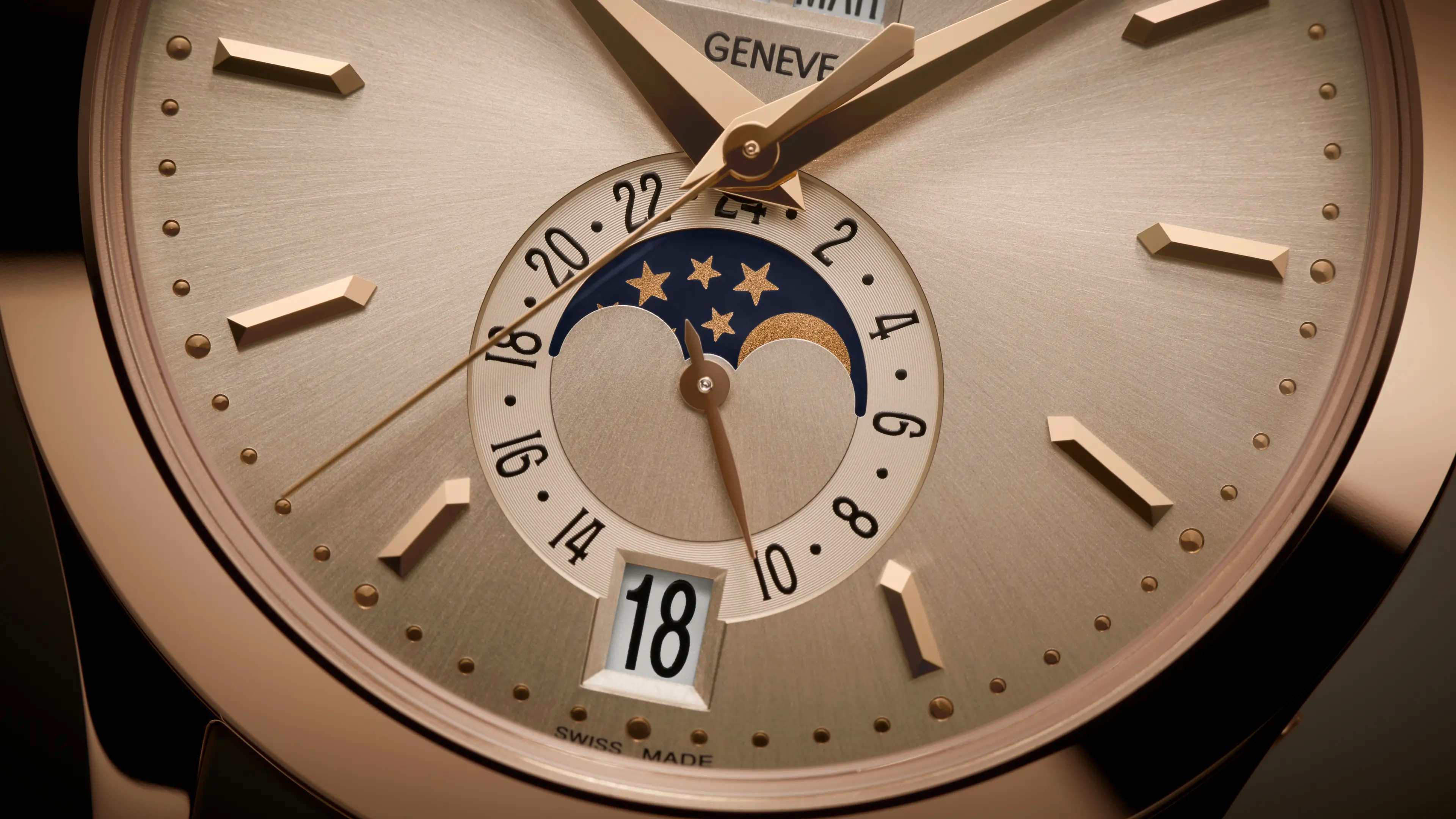
Quality and Fine Workmanship
Chronograph Watches
The chronograph plays a pivotal role in Patek Philippe’s portfolio, showcasing complications from classic to advanced.
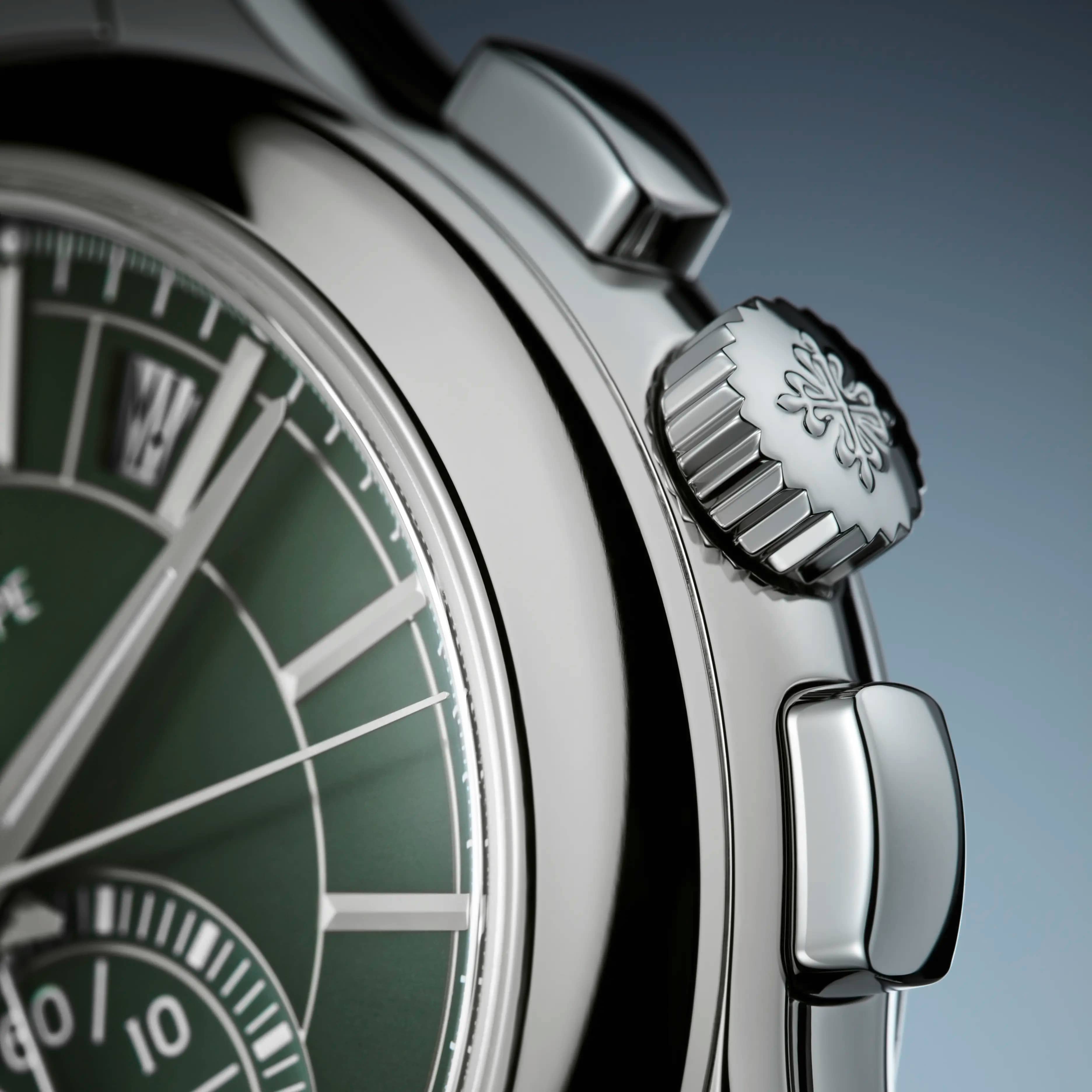
What is a Chronograph ?
Classic chronographs
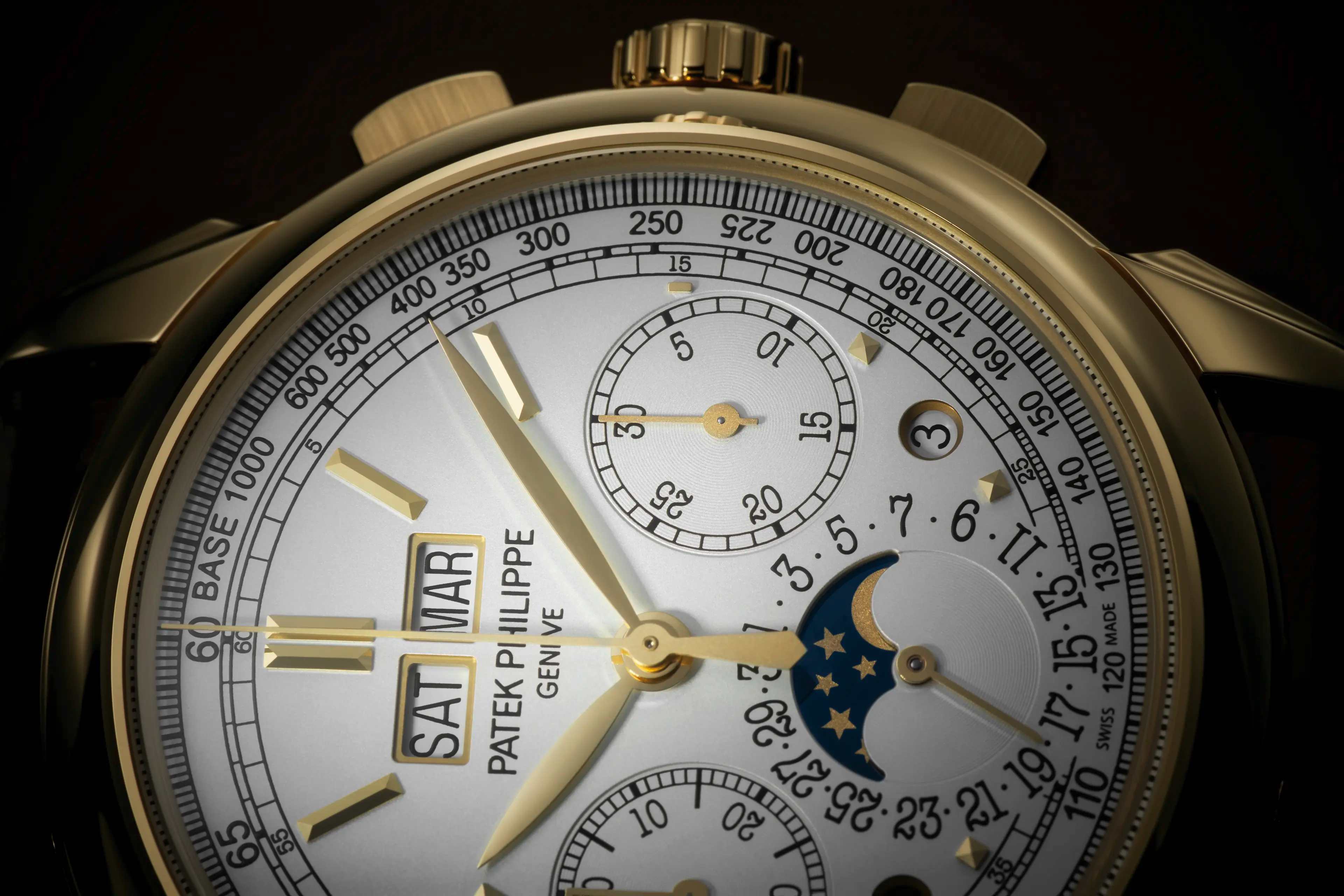
Ref. 5270j
Manually wound CH 29-535 PS Q caliber, the first manufacture-made Patek Philippe chronograph movement with a perpetual calendar, introduced in 2011.
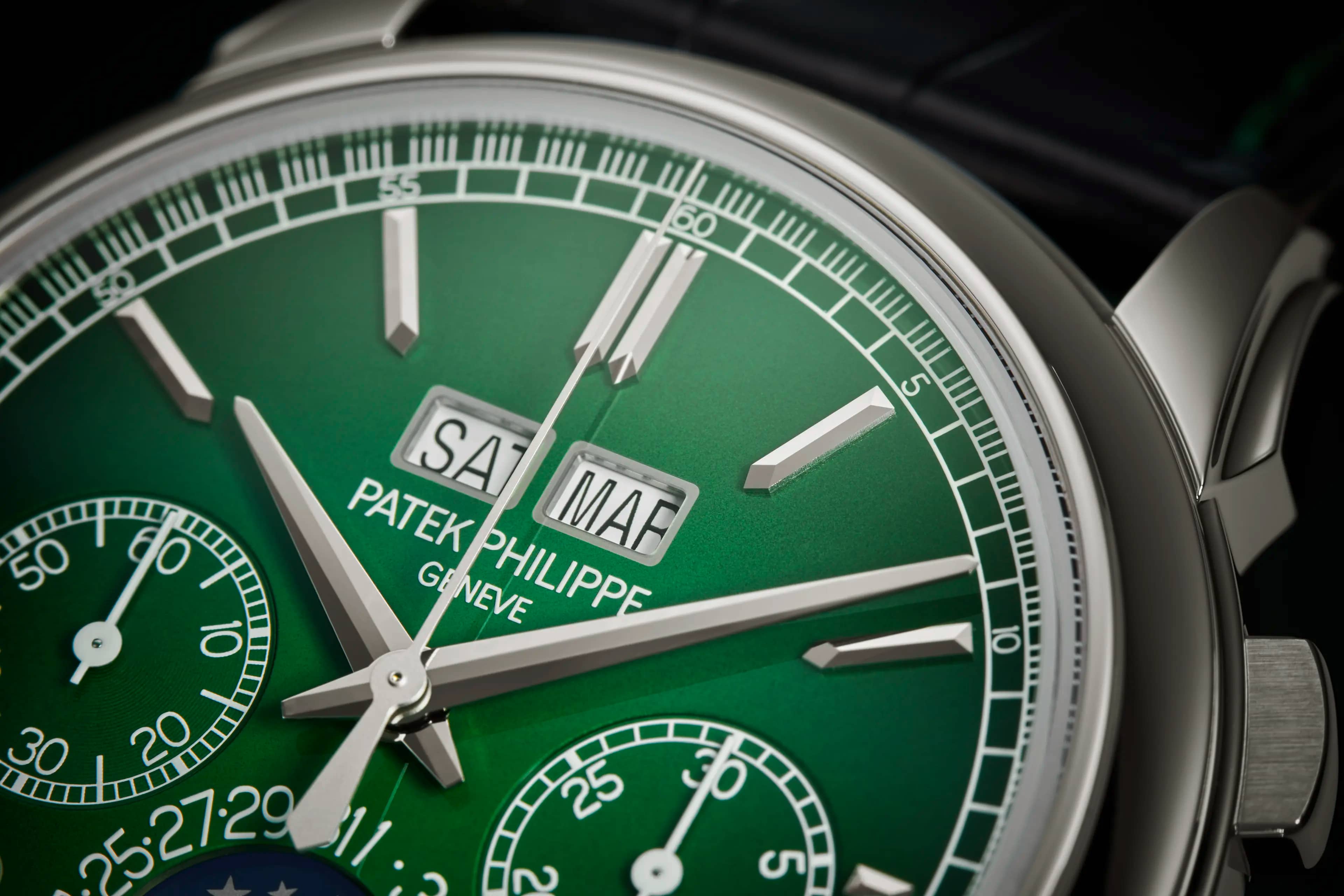
Ref. 5270p
Manually wound CH 29-535 PS Q caliber, Patek Philippe chronograph movement with perpetual calendar, introduced in 2011.
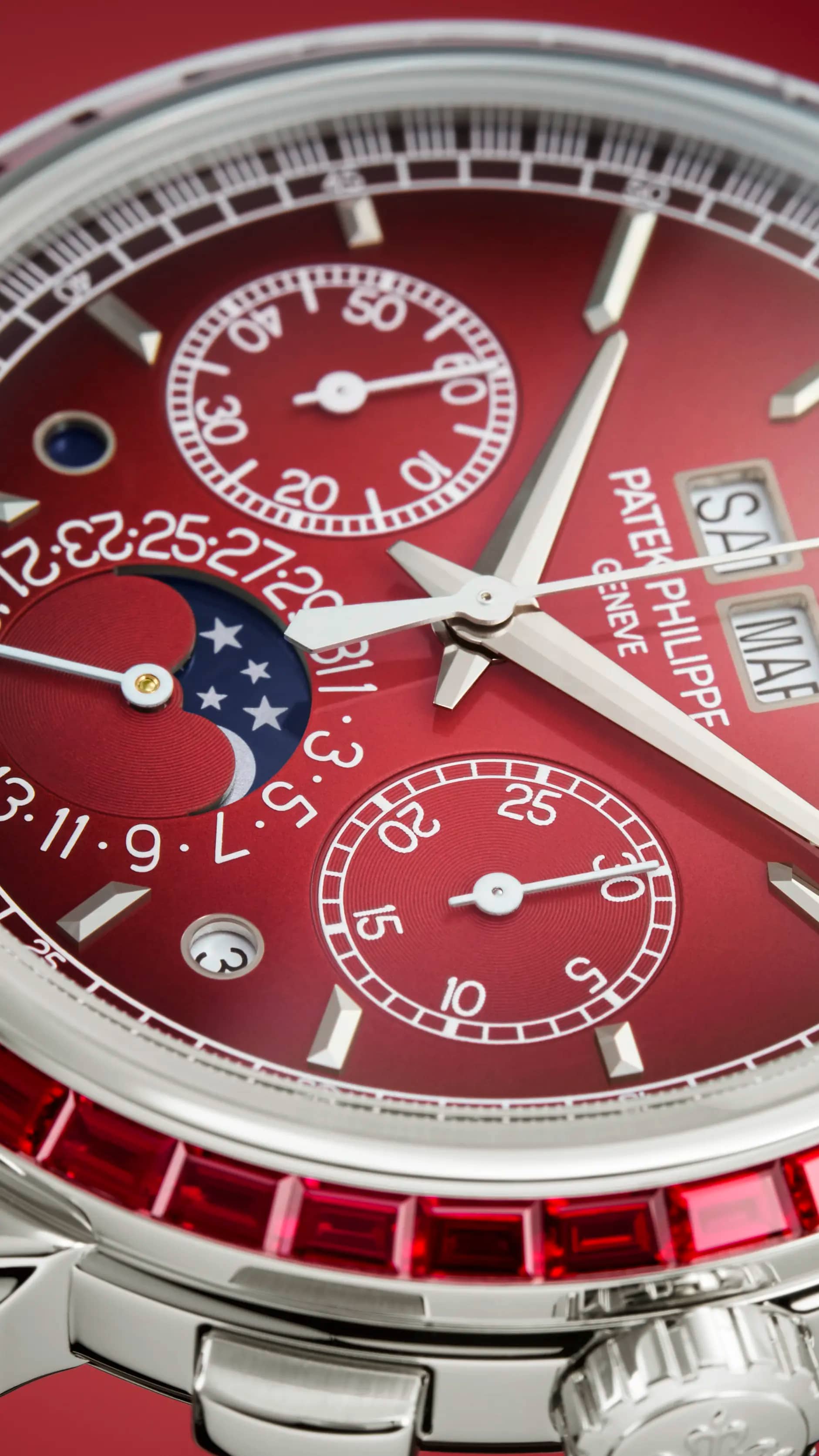
Ref. 5271/12p
Manually wound CH 29-535 PS Q caliber, chronograph movement with perpetual calendar, introduced in 2011.
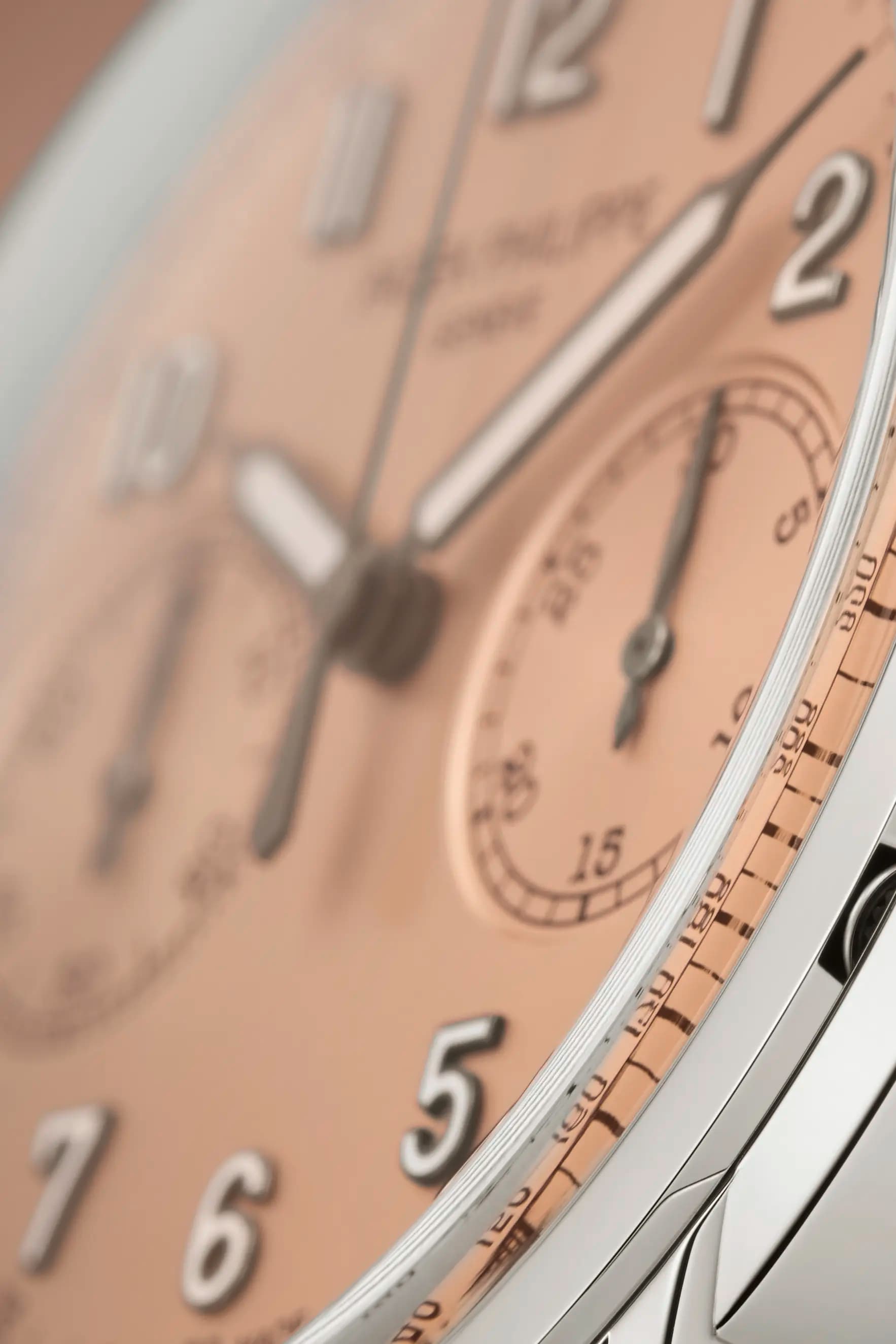
Ref. 5172g
Manually wound CH 29-535 PS caliber, first Manufacture-made chronograph movement introduced in 2009.
Split-seconds Chronographs
Our split-seconds chronographs feature an additional rattrapante hand, allowing the timing of two separate events simultaneously. While one hand runs with the chronograph, the other can be stopped independently to record an intermediate time and to realign the chronograph hand, all operated smoothly via elegant pushers.
Ref. 5370R
Chronograph Caliber
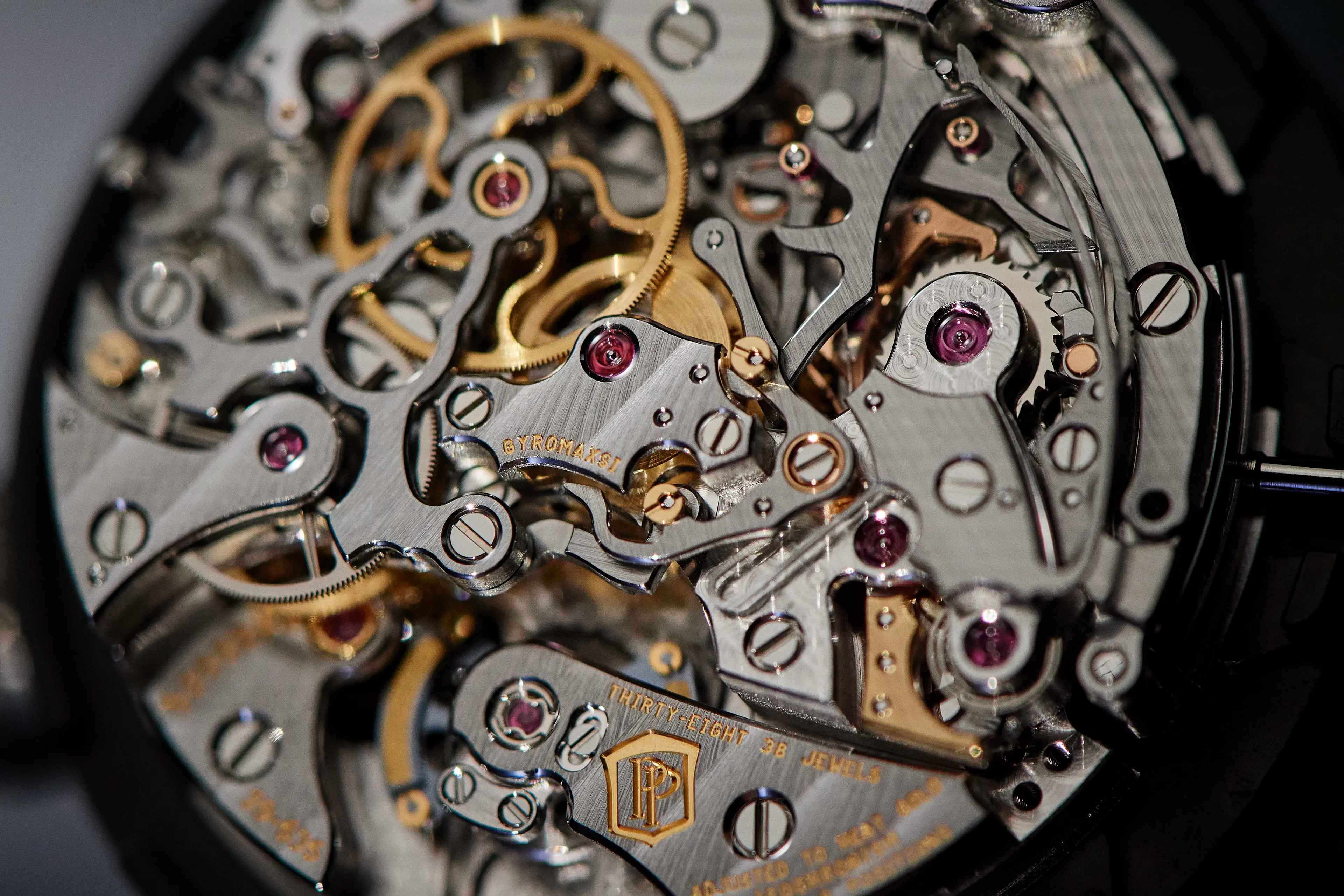
In 2009, Patek Philippe introduced its first proprietary manually wound chronograph movement, the CH 29-535 PS, incorporating six patented innovations. This architecture later served as the basis for further developments, including split-seconds chronographs and versions combined with a perpetual calendar.
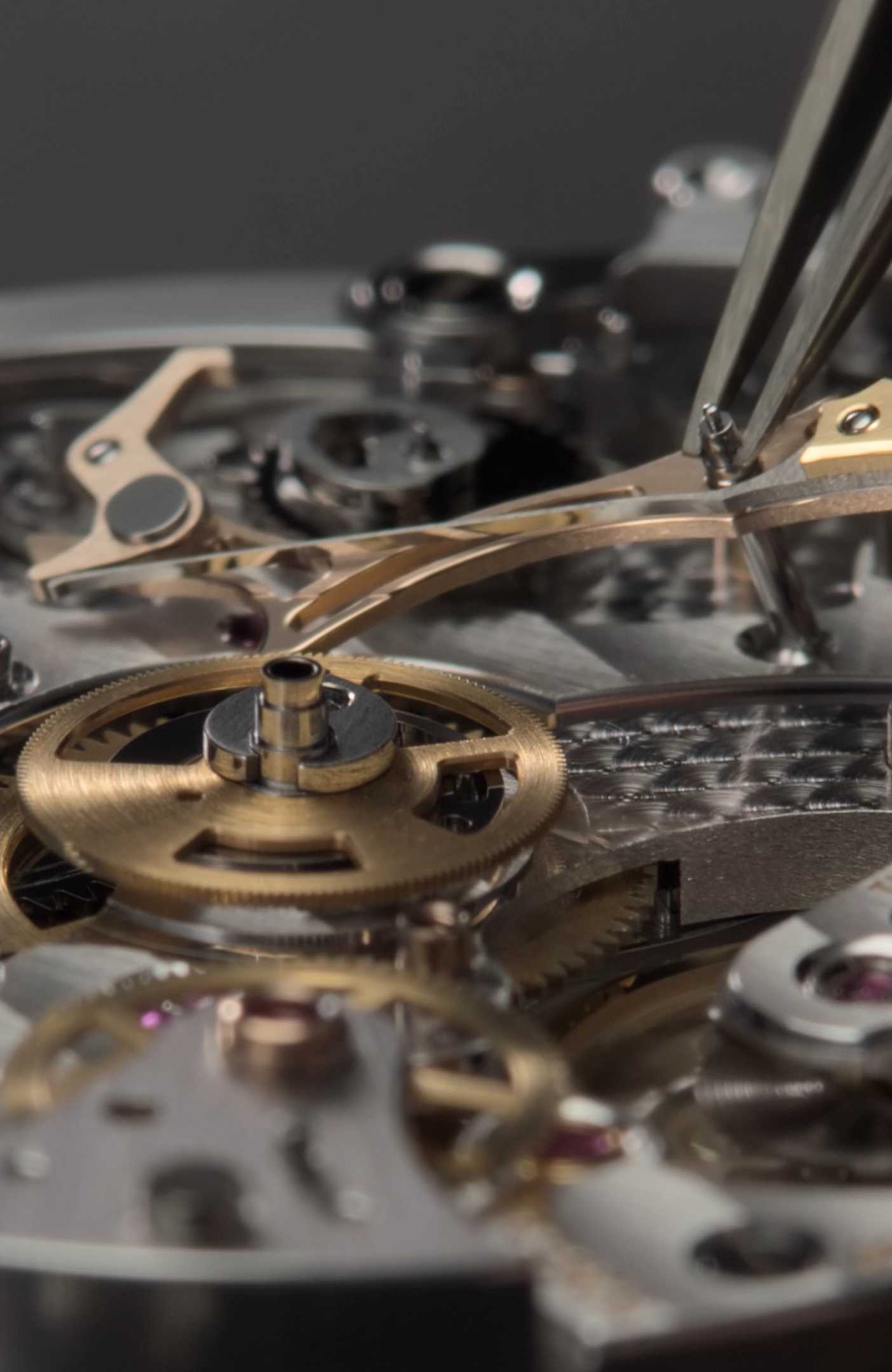
Ref. 5373P
Ref. 5308g
Flyback Chronographs
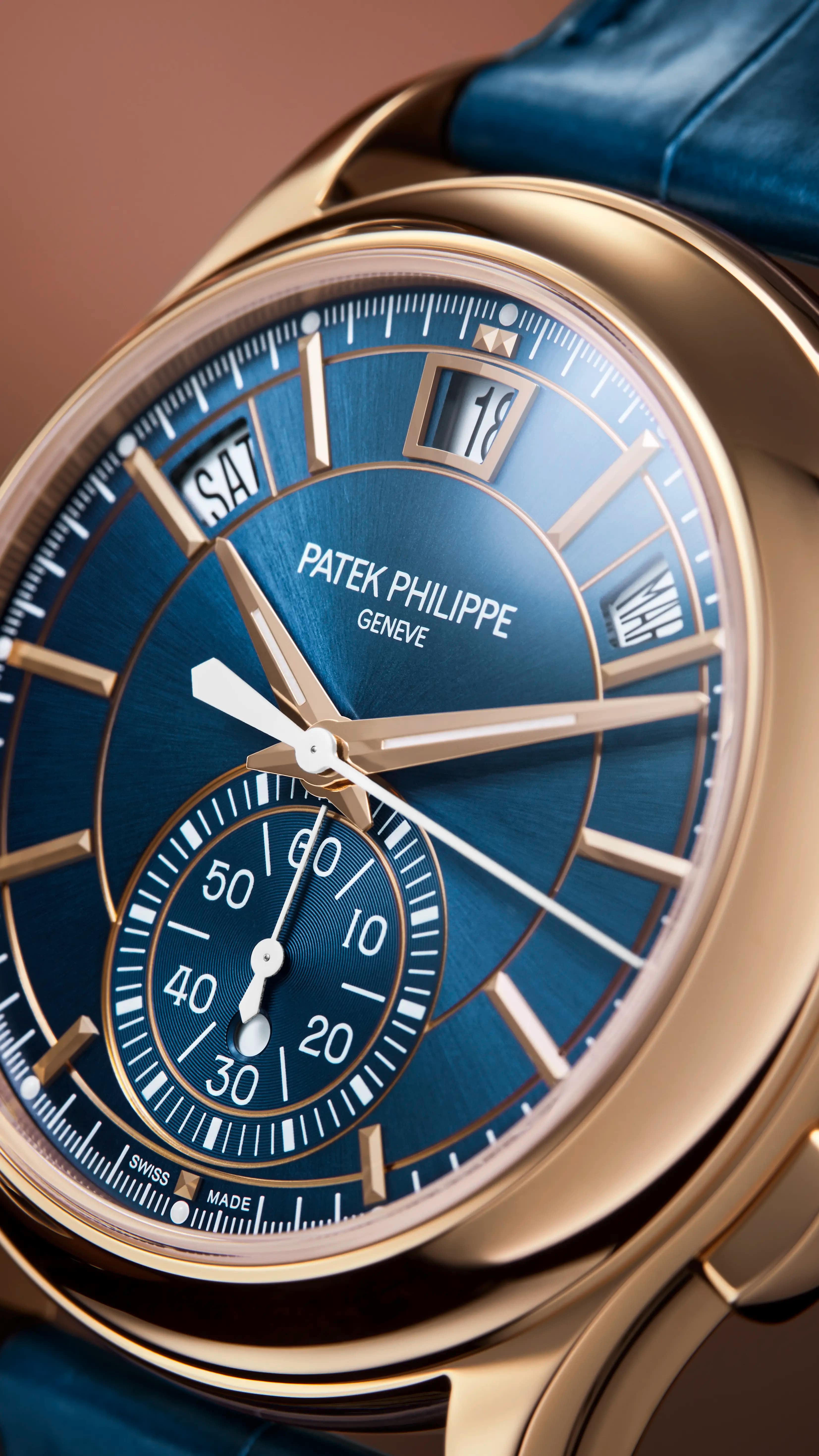
Ref. 5905R
Self-winding CH 28-520 QA 24H caliber, flyback chronograph with vertical clutch and 60-minute counter. Annual Calendar.
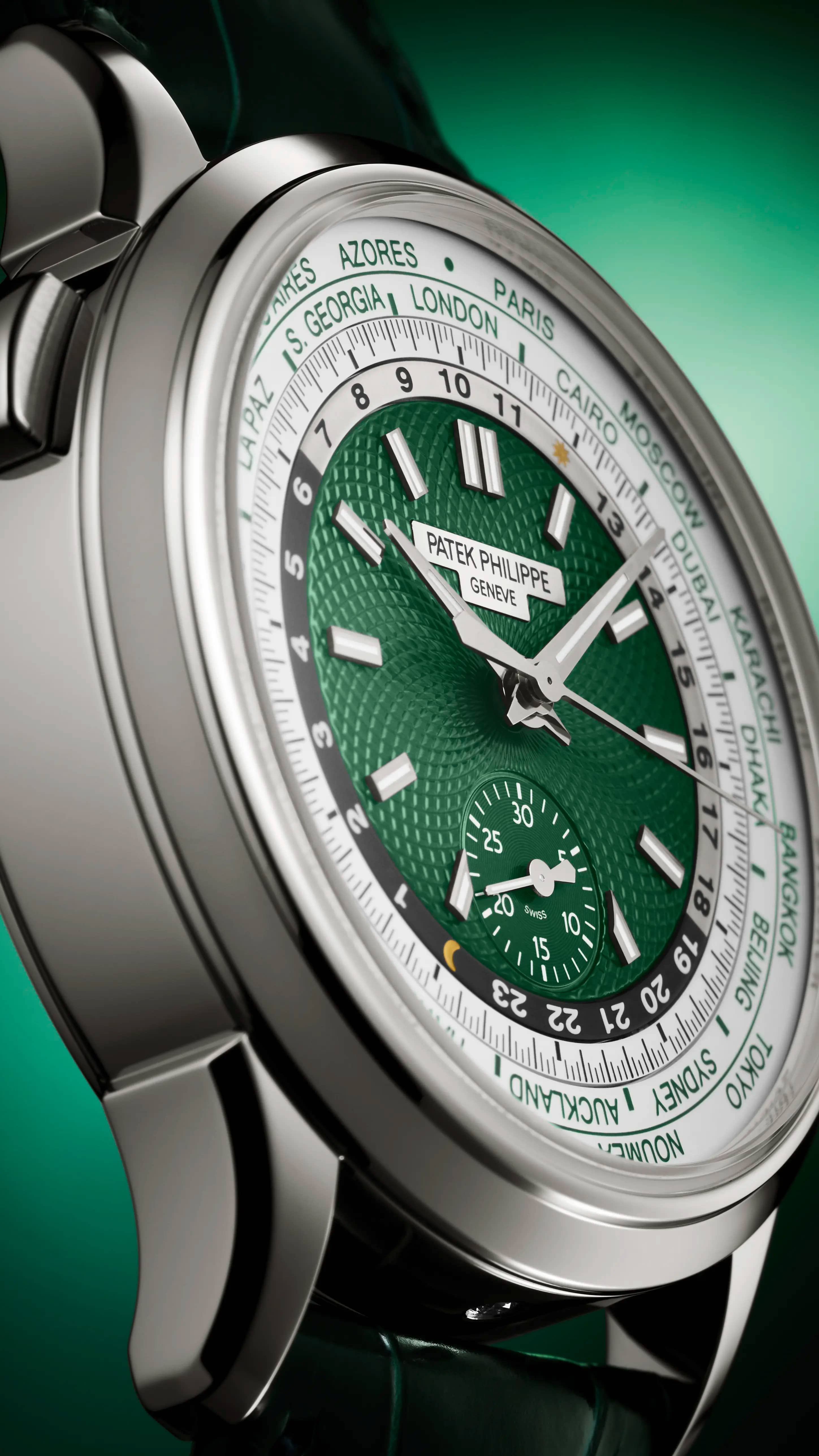
Ref. 5930P
CH 28-520 HU caliber, self-winding flyback chronograph with World Time display indicating the 24 time zones.
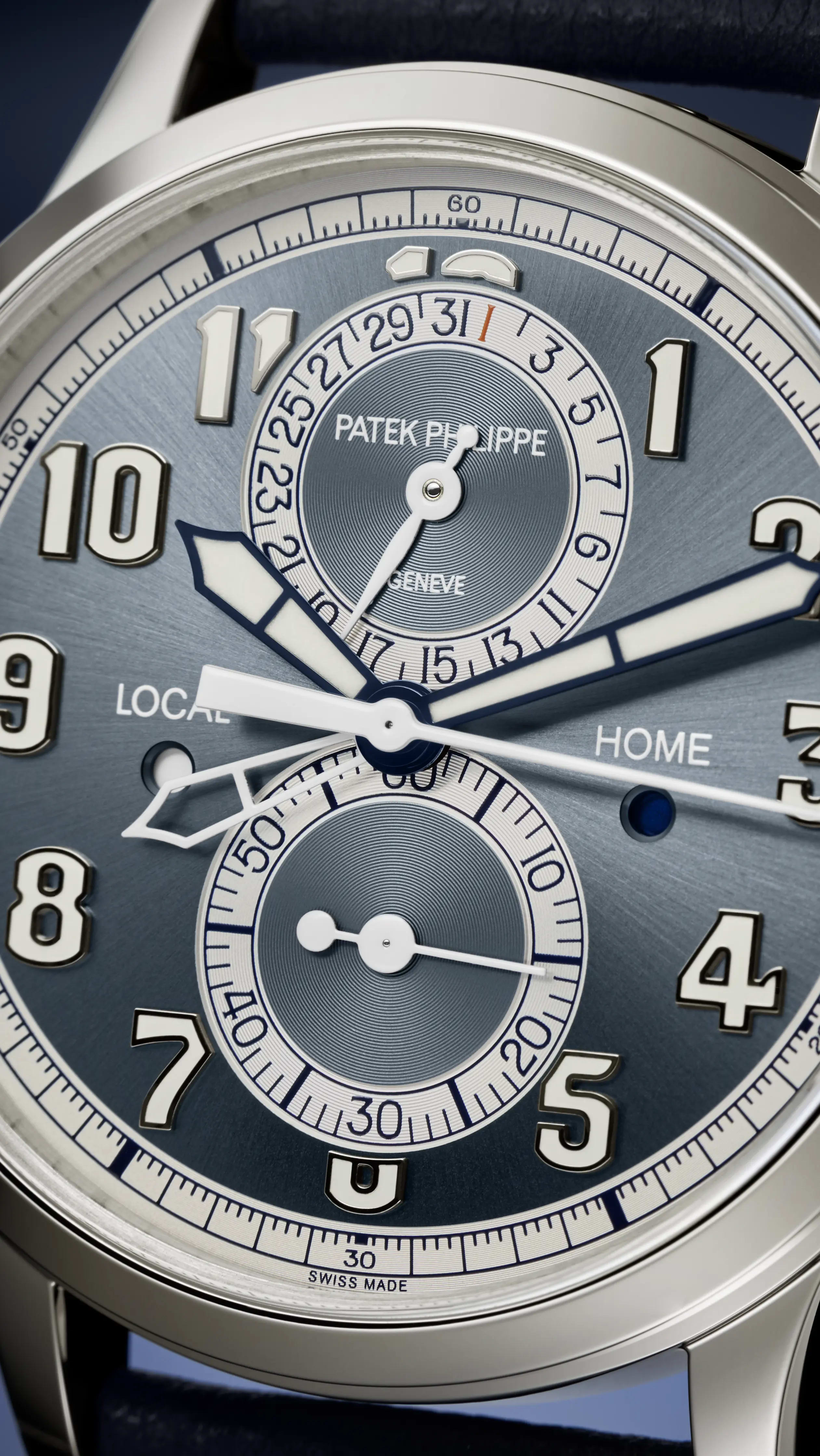
Ref. 5924G
Calatrava Pilot with flyback chronograph and Travel Time function, self-winding CH 28-520 C FUS caliber.
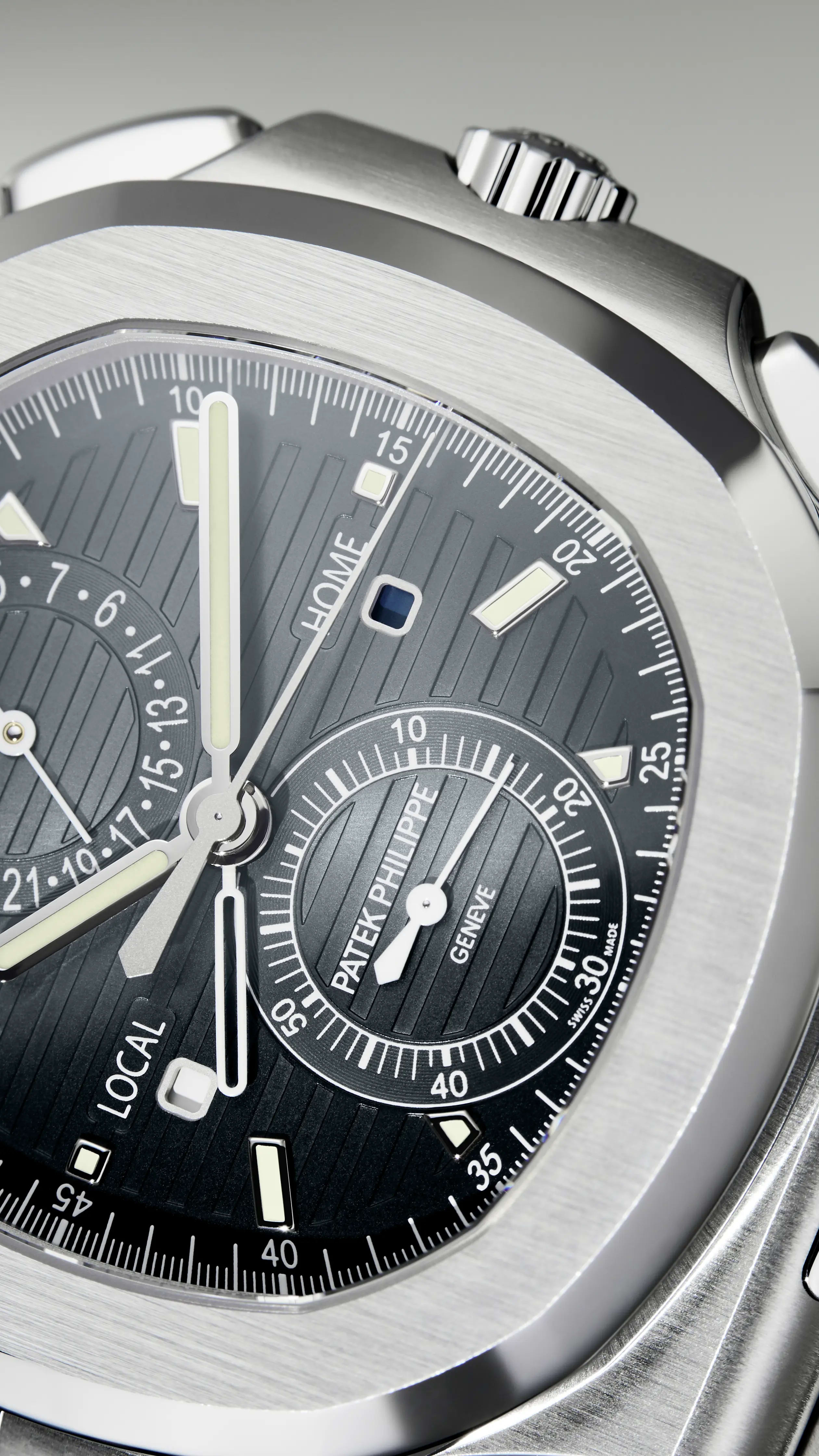
Ref. 5990/1A
Self-winding CH 28-520 C FUS caliber, with flyback chronograph and Travel Time function.
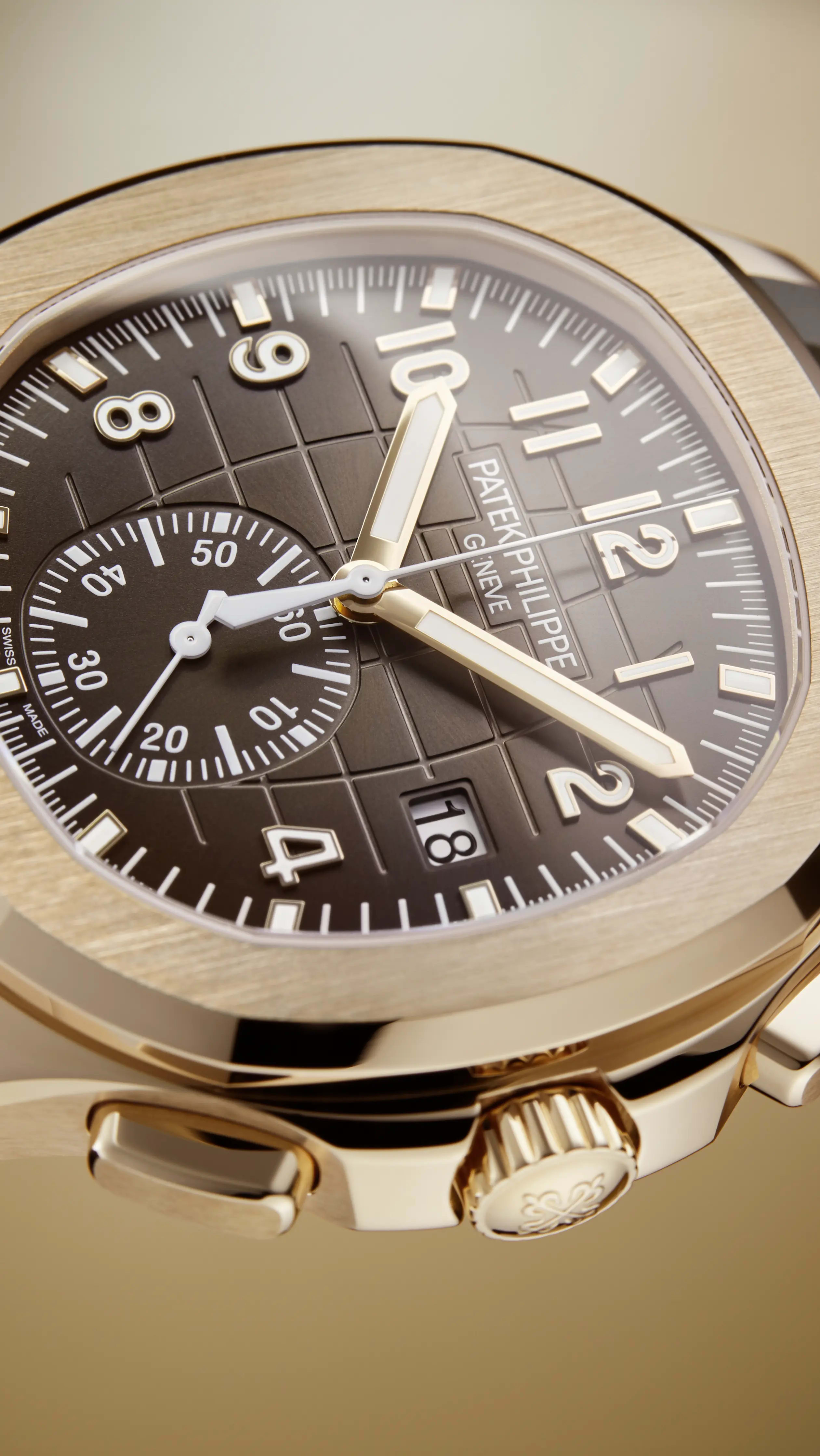
Ref. 5968R
Self-winding CH 28-520 C caliber, flyback chronograph with vertical clutch.
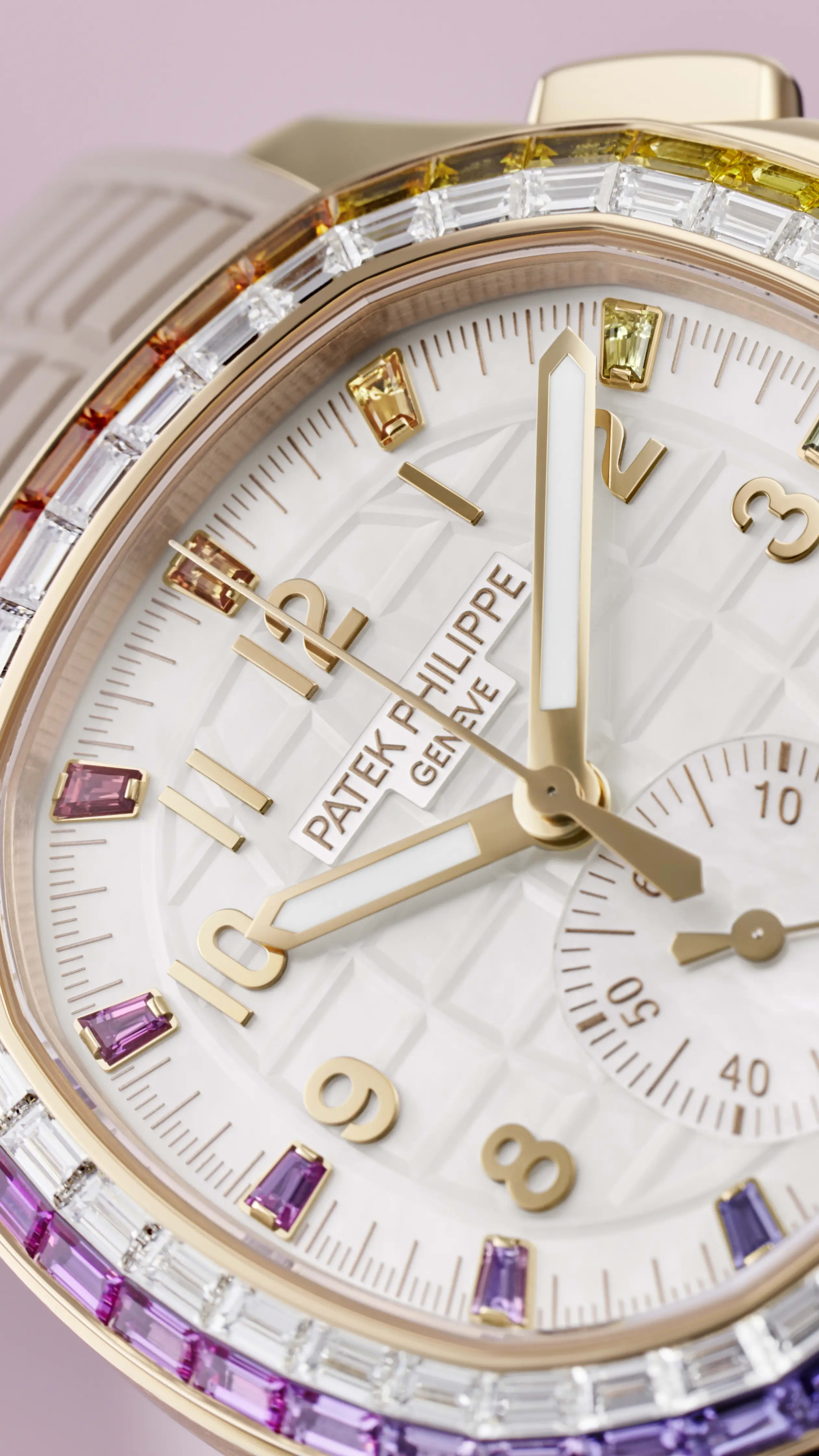
Ref. 7968/300R
First self-winding chronograph for ladies, CH 28-520 caliber, flyback chronograph with vertical clutch.
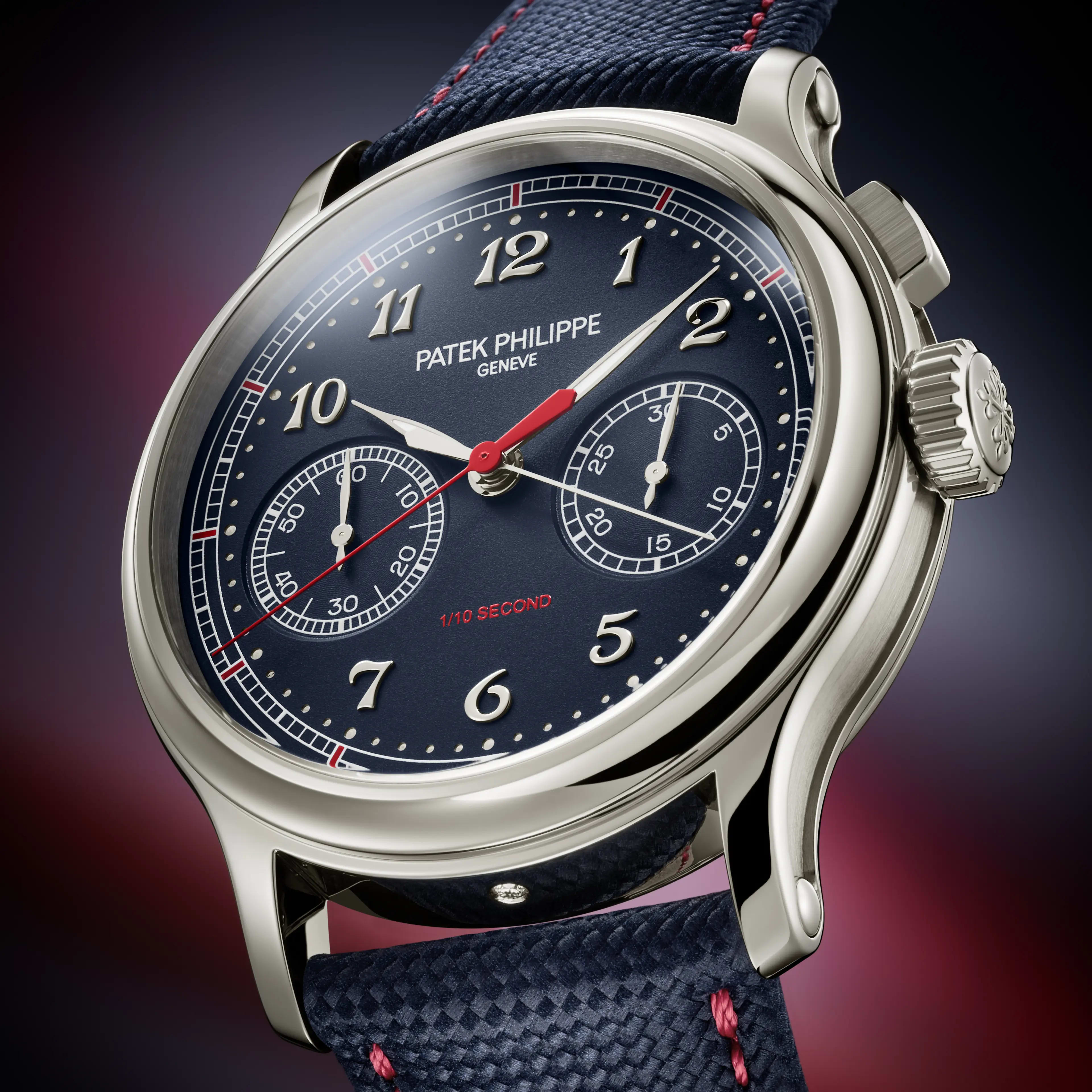
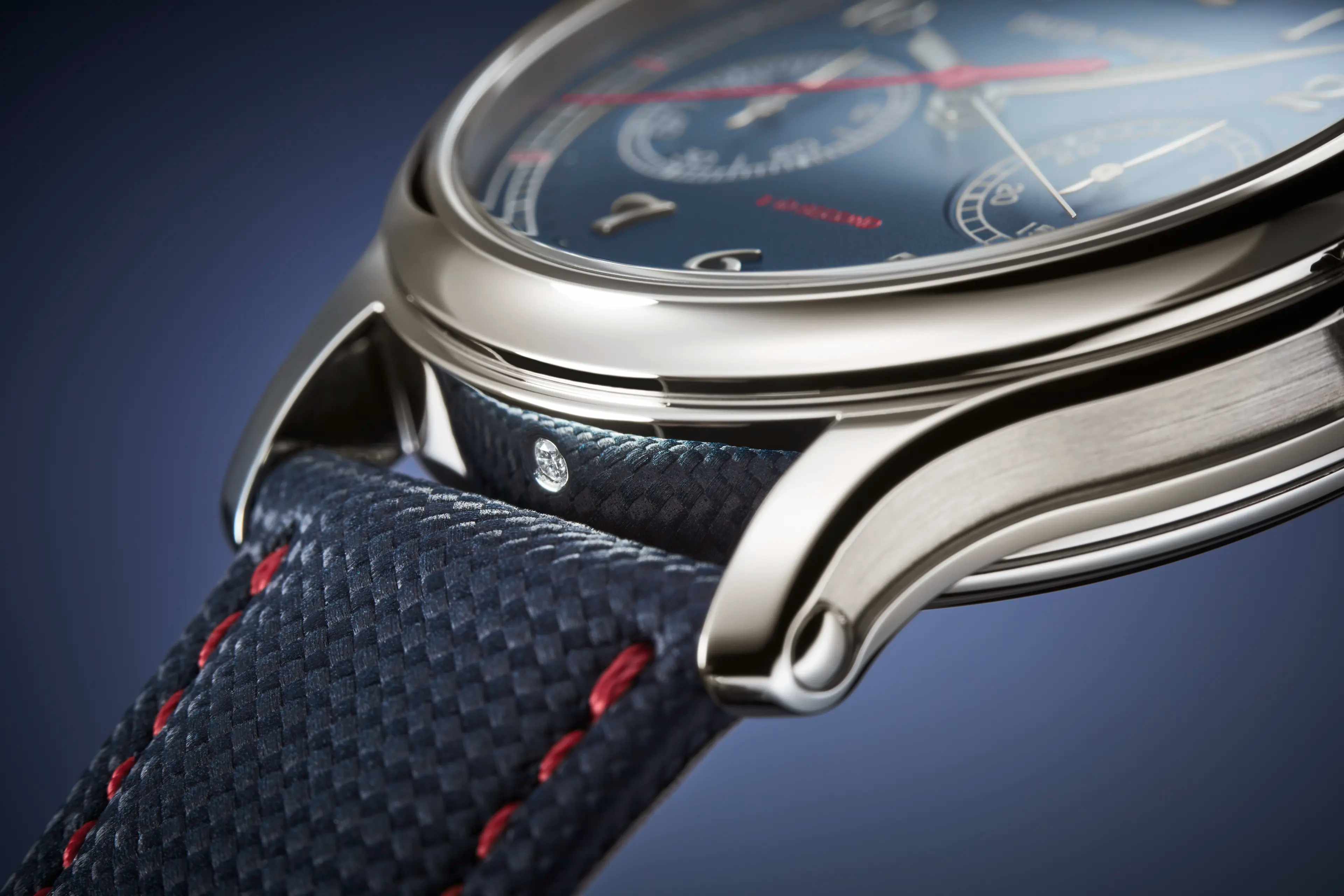
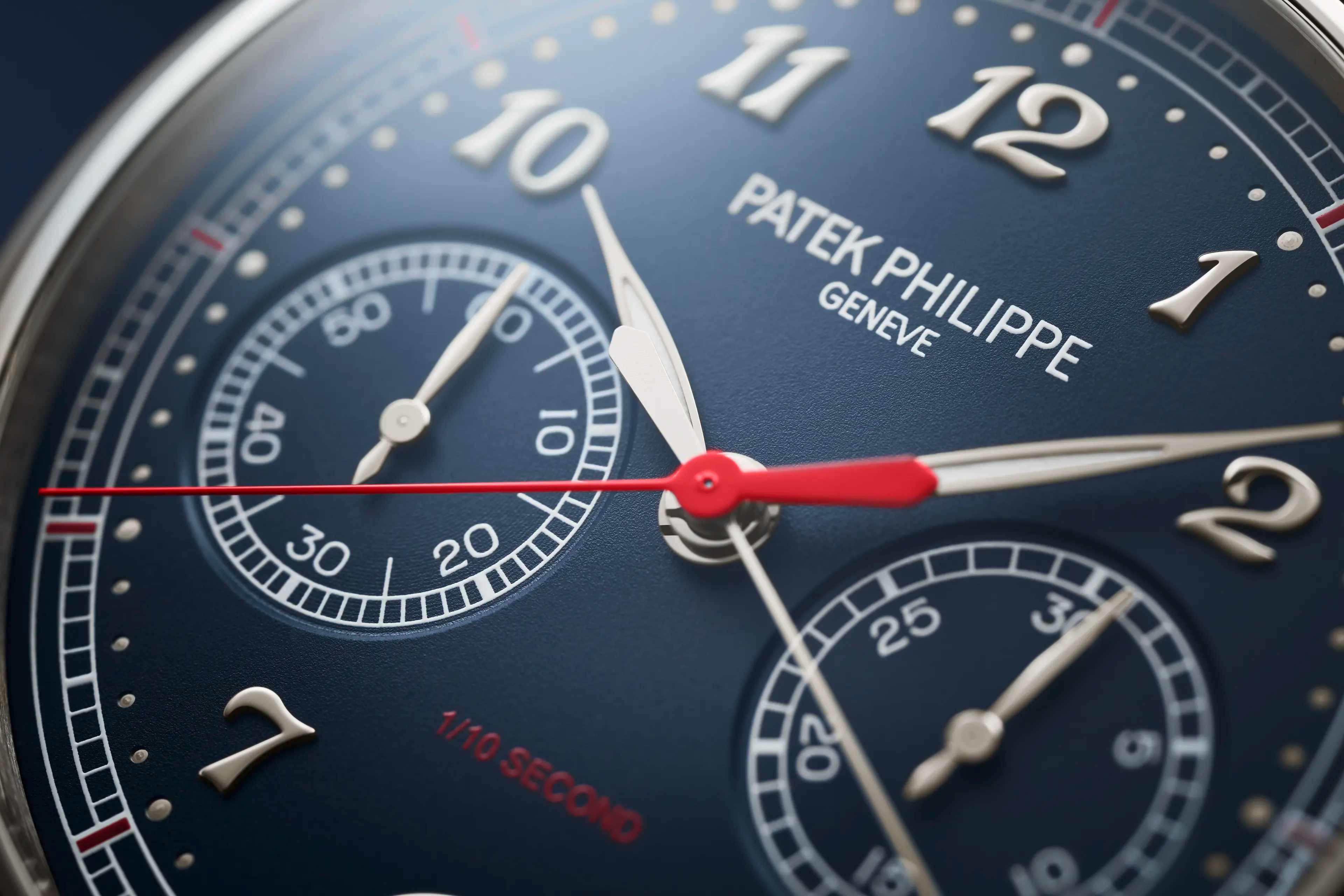
1/10th of a Second Chronograph
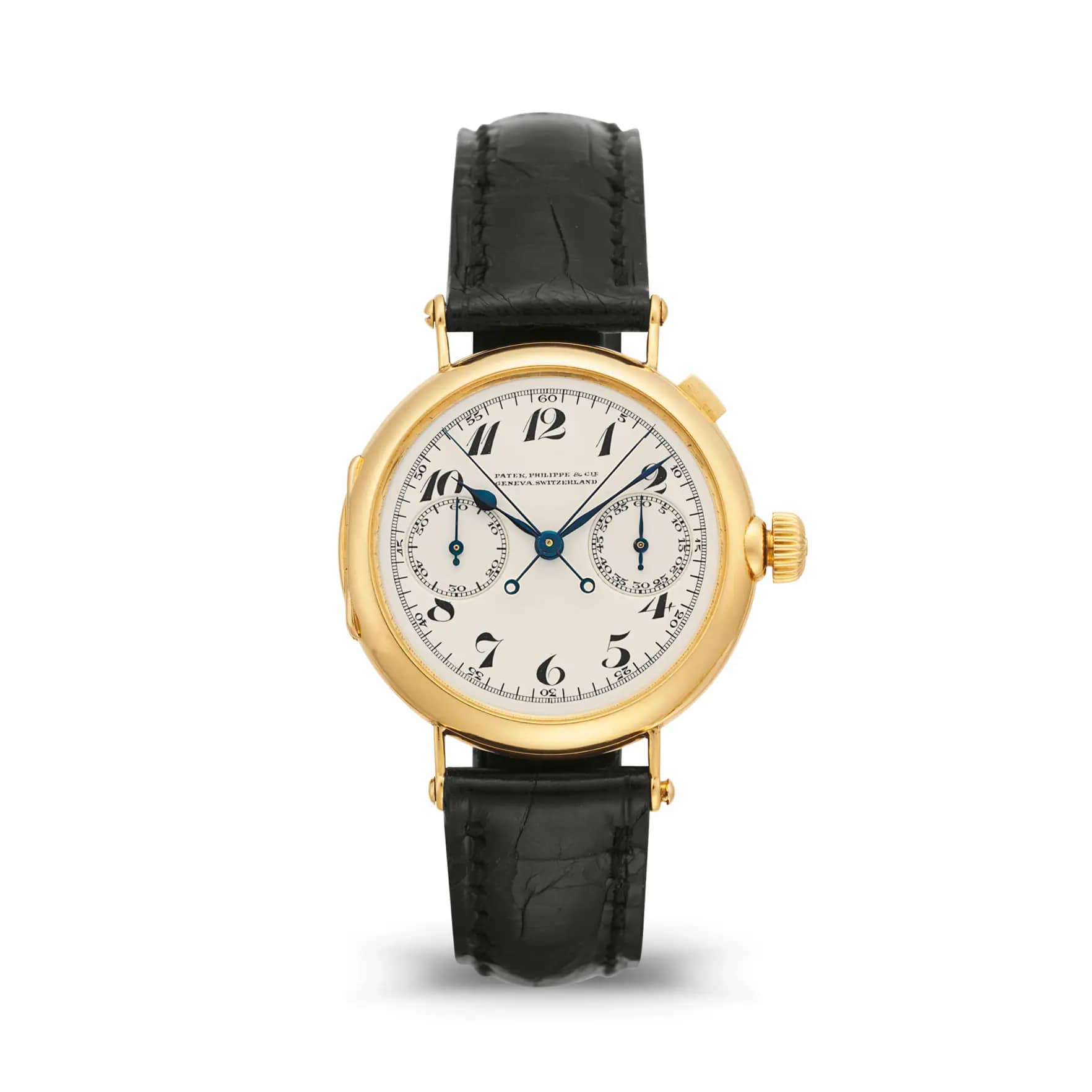
First Split-Seconds Chronograph
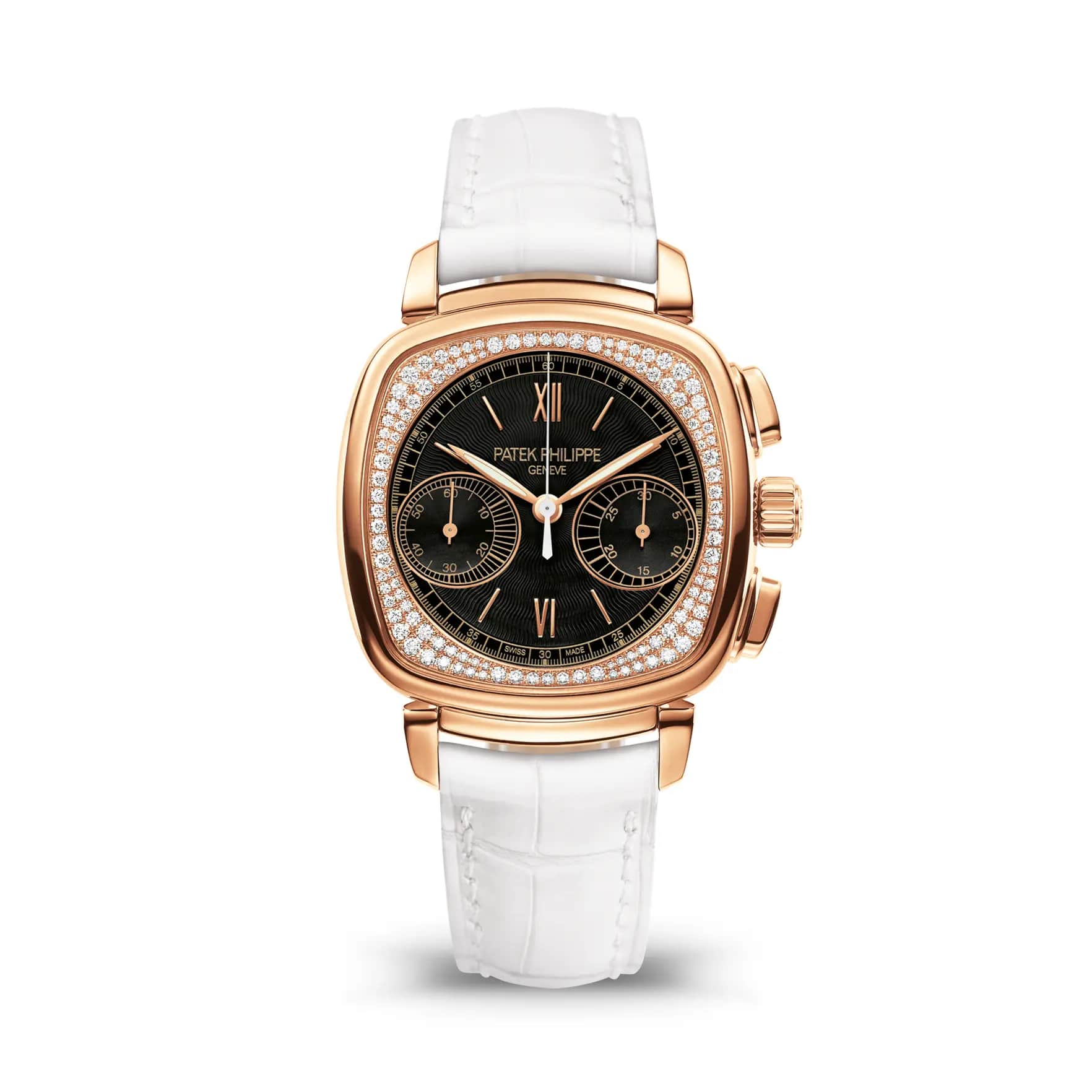
Ladies' First Chronograph